


Digital Maturity Growth
Design systems that turn digital capability into measurable enterprise performance.
Why Do Many Digital Initiatives Fail to Deliver Enterprise Growth?
According to the MIT Sloan & Deloitte Digital Business Global Executive Study, digitally mature companies are 26% more profitable and generate 9% higher revenue than their industry peers. Yet most organizations remain far from this level of maturity. Digital tools expand. Technology stacks grow. But enterprise impact remains inconsistent. The challenge is rarely technology adoption. It is the absence of structural alignment between strategy, systems, data, and decision-making. Digital maturity determines whether digital investments create scattered activity or sustained enterprise growth.

Enterprise-Wide Alignment
Technology, data, and operations work as a coordinated system.

Scalable Digital Capability
Digital initiatives compound rather than compete for resources.

Predictable Performance Growth
Digital investments consistently translate into measurable business outcomes.
Digital Maturity Framework
Digital maturity reflects how effectively digital systems support enterprise decisions, operations, and customer value.
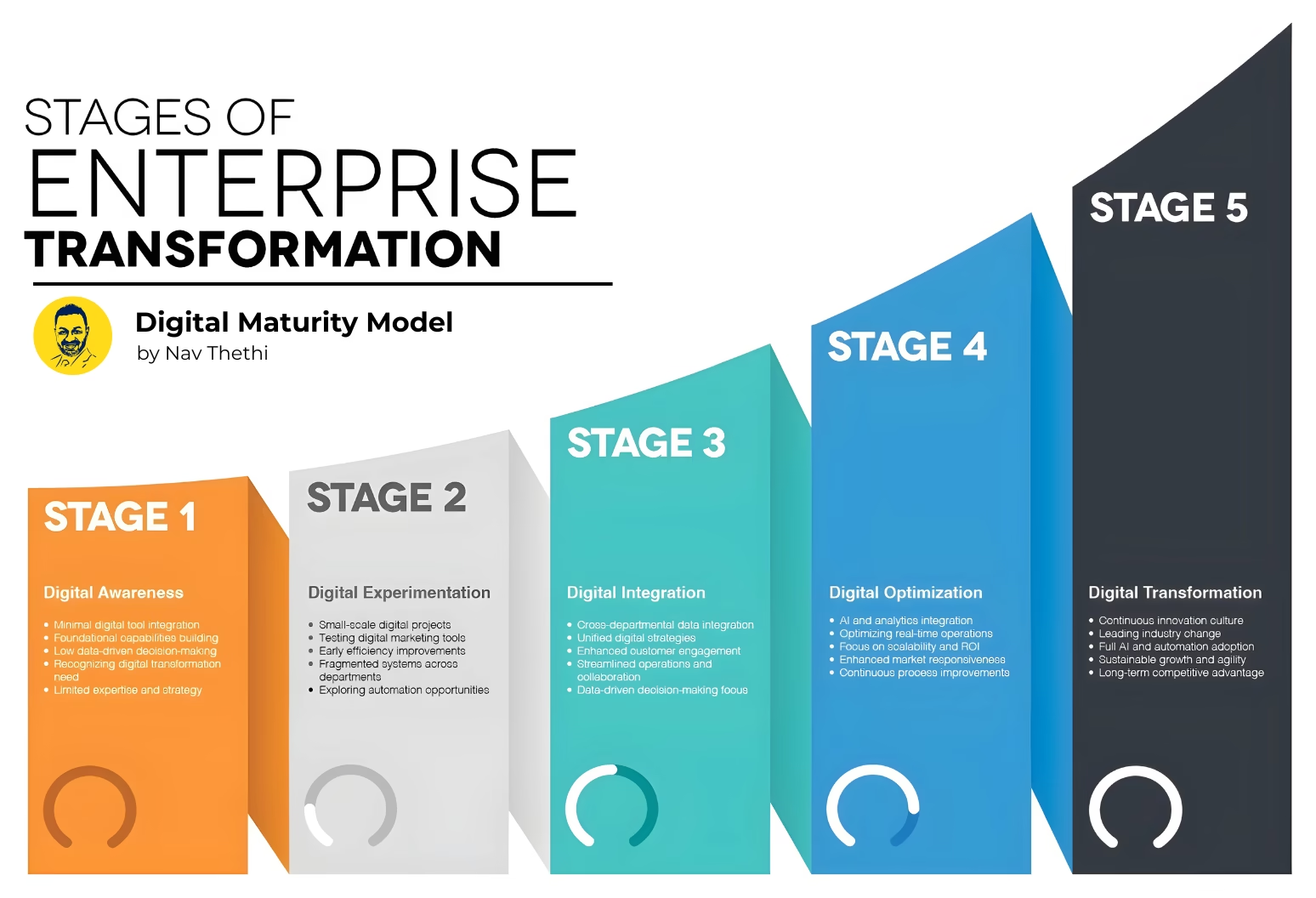
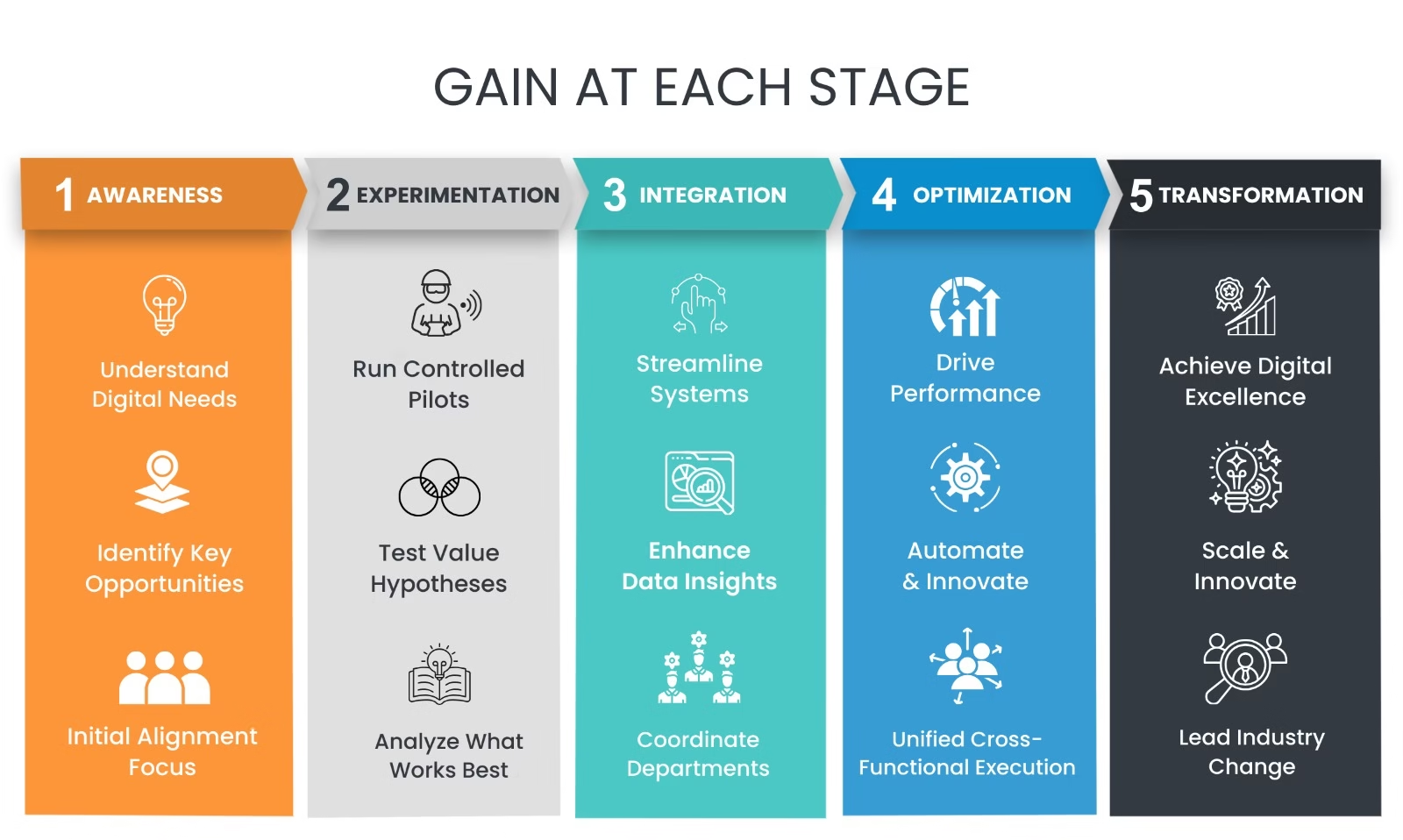
Organizations typically progress through five stages:
- Digital Awareness: Digital technologies are recognized but adoption remains limited.
- Digital Experimentation: Teams test digital tools through pilots and isolated initiatives.
- Digital Integration: Systems and data begin connecting across functions.
- Digital Optimization: Digital capabilities become embedded in operational workflows.
- Digital Transformation: Digital systems operate as a coordinated enterprise capability.
As maturity increases, digital initiatives evolve from isolated experiments into integrated systems driving business performance.
From Digital Activity to Enterprise Maturity
Organizations typically move through three structural phases:

Phase 1 – Activity
Digital initiatives exist across teams but remain isolated and fragmented, making scale difficult.


Phase 2 – Alignment
Systems, data, and processes begin to connect, improving coordination and visibility.

Phase 3 – Maturity
Digital capabilities operate as an integrated enterprise system driving performance.
26%
Higher Profitability in
Digitally Mature Firms
30%
Faster
Decision Cycles
2X
Improvement in
Digital Investment Impact
Digital Growth Through MATURITY
Digital maturity develops through disciplined progression.
M
Measure
Evaluate digital capability across systems, leadership alignment, and operational performance.
A
Align
Ensure digital initiatives directly support strategic objectives.
T
Transpose
Translate digital capabilities into practical workflows and decision support.
U
Upskill
Build organizational capability to use digital tools effectively.
R
Refine
Continuously improve system integration and operational efficiency.
I
Integrate
Embed digital processes across functions and enterprise systems.
T
Track
Monitor performance impact and adoption consistency.
Y
Yield
Achieve sustained enterprise growth through digital capability.
What Leaders Gain
- Clear digital strategy alignment
- Reduced technology fragmentation
- Better cross-functional coordination
- Faster decision cycles
- Stronger long-term enterprise growth
Related Insights
Practical guidance for executives navigating digital maturity.

AI Hype Vs. Hard Value:
Why Leaders Must Shift From Buzz To Maturity
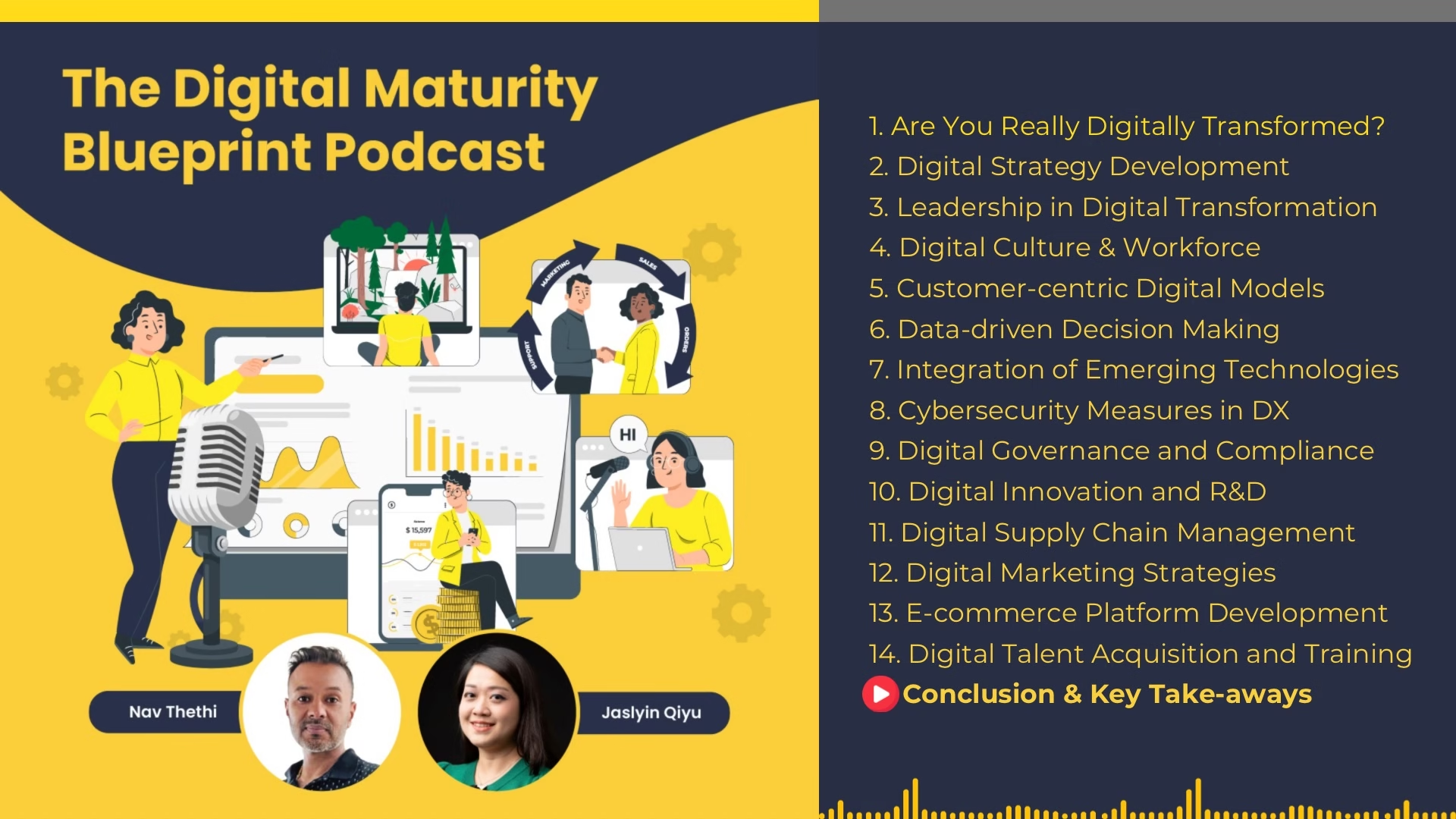
Navigating Digital Maturity: A Blueprint for Sustainable Growth- The Podcast Series Conclusion

Beyond Performance: Nav Thethi’s Vision for a Purpose-Led, Sustainable, and AI-Ready Digital Future
Explore the Conversation
Your Tech Stack is Draining Money. The Digital Maturity Blueprint Can Fix It
Your Website Is No Longer Your Brand Front Door: New AI & GoToMarket Strategies
Why CMOs Are Failing? From $6B Pipelines to Digital Strategy
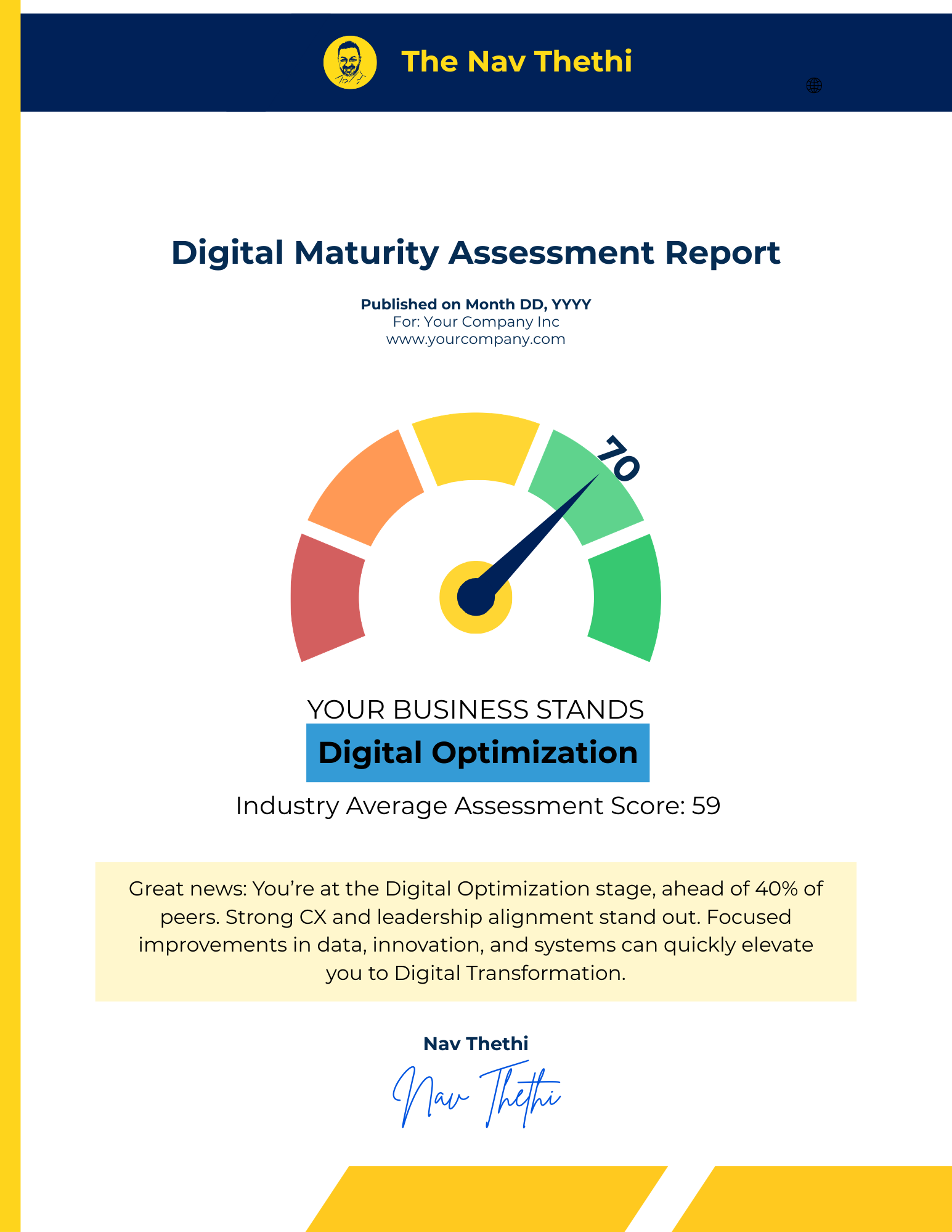
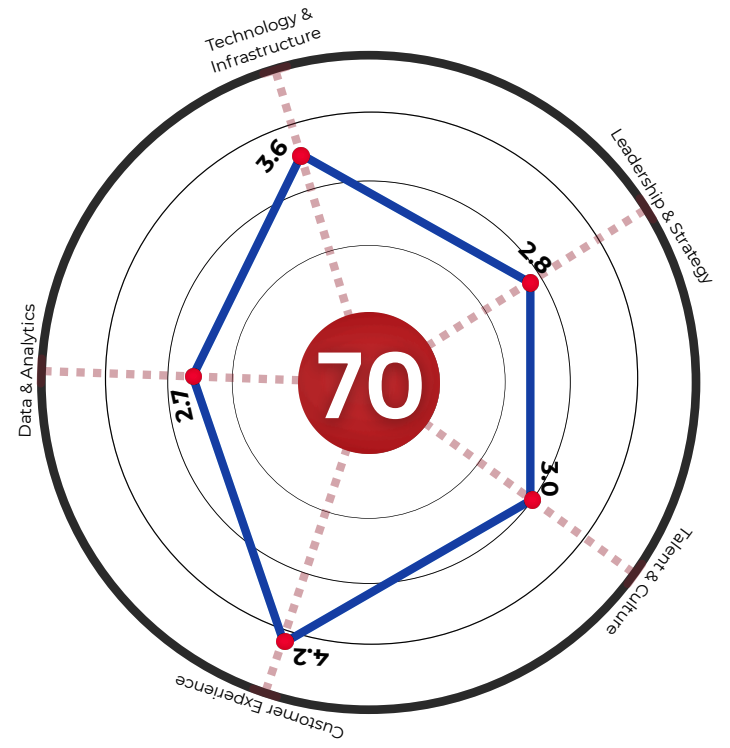
What Does the Digital Maturity Report Reveal?
The Digital Maturity Assessment evaluates enterprise capability across:
- Technology & Infrastructure
- Data & Analytics
- Customer Experience
- Talent & Culture
- Leadership & Strategy
The report benchmarks your maturity stage and identifies integration gaps, governance weaknesses, and priority areas for enterprise improvement.
How Digitally Mature Is Your Organization?
Assess how effectively your digital systems support workflows, performance, and decision-making.
Unlock Growth: Understand where your digital capabilities stand today and how to strengthen them step by step.
This assessment provides:
- Digital Maturity Score
- System Integration Risk Indicators
- Capability Alignment Gaps
- Governance & Leadership Readiness
- Priority Actions for Enterprise Growth
How Nav Works With Leaders
Nav works with executive teams to transform fragmented digital initiatives into coordinated enterprise systems that convert technology capability into measurable performance outcomes.
FAQ
Your Questions Answered: Insights for Clarity and Confidence
What does digital maturity mean for an enterprise?
It reflects how effectively digital systems support strategic decisions and operational performance.
Is digital maturity only about technology?
No. It also includes leadership alignment, data capability, and organizational adoption.
How long does it take to improve digital maturity?
Improving digital maturity is an ongoing process rather than a one-time project. Organizations typically begin seeing measurable improvements within 6–18 months as systems, governance, and capabilities align.
What are the key indicators of digital maturity?
Key indicators include integrated systems, reliable data flows, consistent performance measurement, leadership alignment, and the ability to translate digital capabilities into operational and strategic decisions.
How does digital maturity drive growth?
By aligning systems, data, and decision processes to deliver consistent enterprise outcomes.
Can digital maturity be measured objectively?
Yes. Structured maturity assessments benchmark capability across multiple enterprise dimensions.
Why do many digital transformation initiatives fail?
Many initiatives focus on deploying new technologies without aligning strategy, processes, and decision frameworks. Without structural alignment, digital investments often fail to translate into sustained business outcomes.
Do small and mid-sized organizations also benefit from digital maturity?
Yes. Digital maturity is not limited to large enterprises. Organizations of any size benefit from structured digital capabilities that improve efficiency, decision-making, and customer experience.
Build Your Digital Maturity Advantage
Measure your organization’s maturity and identify the actions needed to transform digital capability into sustained growth.